Types of Stays in Korea: Apartments, Guesthouses, Hanok and Homestays
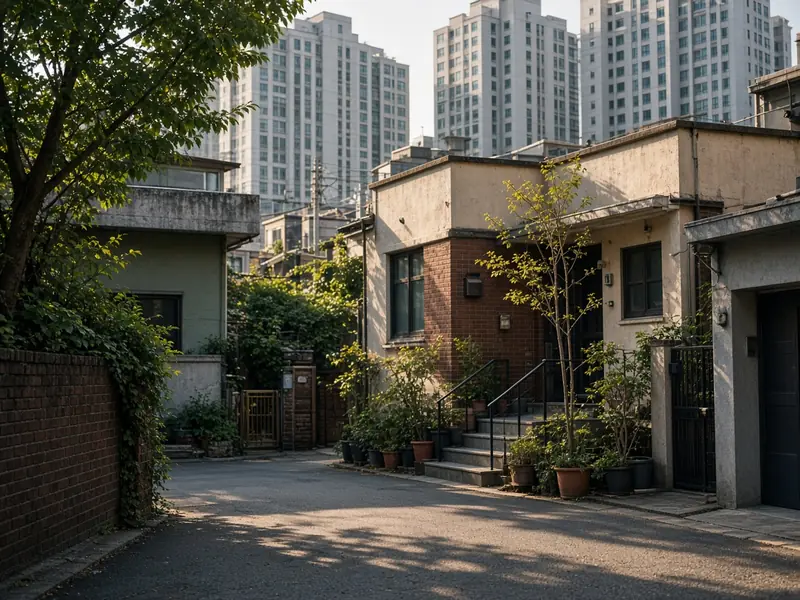
'A place to stay' can mean very different things depending on how it's registered and run. Knowing the type makes choosing easier than photos alone.
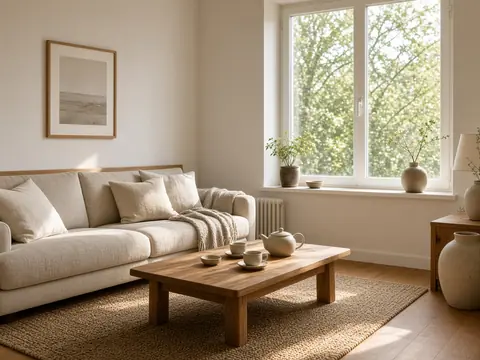
Apartments and villas (city homes)
City homes are usually registered as 'urban homestays for foreign tourists'. Requirements include the host actually living there and a floor area under 230 m².
Great for living like a local. In apartment complexes, check the rules for shared facilities.
Houses and private villas
You get the whole building. Good for families or groups, and common in places like Jeju and Gangneung.
Detached homes in rural areas are often run as farm/fishing-village homestays.
Guesthouses
Cheap dorm beds or small rooms, plus common areas to meet other travelers. Good for solo trips and tight budgets.
Hanok stays
Traditional houses where you sleep on a heated floor. Common in Bukchon (Seoul), Jeonju and Gyeongju.
What's leaving Airbnb
Officetels and goshiwon can't easily register as lodging, so they're leaving Airbnb since registration became mandatory.
Where to? Add your dates and search stays
Search opens Airbnb results in a new tab.
FAQ
Best type for families?
Traveling solo?
Why are there fewer officetel stays?
Airbnb links on this page may be affiliate links. If you book, CampusDown may earn a small commission at no extra cost to you.
Related guides
Housing for international students
Finding and signing for a place takes time when you first arrive. Many students spend their first 2–4 weeks in a short-term stay while they look.
Booking a long stay
Long stays mean big amounts, so check carefully before booking. Remember that payment and refunds work differently from short trips.
Month-long stays
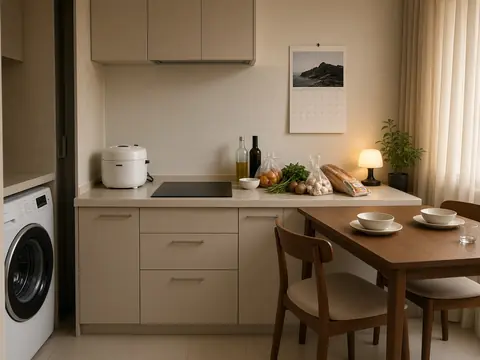
A home for a month needs different things than a home for a weekend. A washer, kitchen, desk and a livable neighborhood matter more than photos.